How to Clean a Masticating Juicer
Disassemble the juicer, rinse all parts under cold water immediately, then wash each piece with warm soapy water and a soft brush. Let parts air-dry completely before reassembling, since trapped moisture causes mold inside the auger housing.

Why Cleaning Right Away Matters
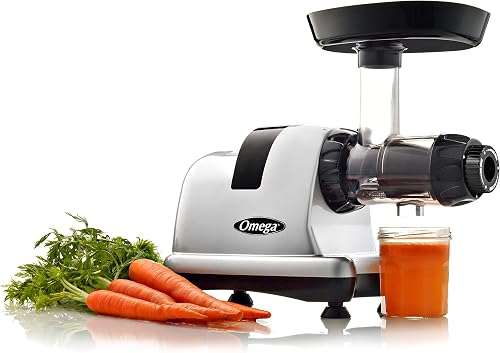
Masticating juicers work at low speeds, typically 150 to 200 watts, which means the auger presses produce tightly against a fine mesh strainer screen. That screen has dozens of small holes that clog almost instantly when wet pulp dries. The Omega J8007S, for example, runs a 200W motor with stainless steel components, and even stainless steel mesh will stain if citrus or carrot juice sits for more than 15 minutes. Once pulp hardens, you need a stiffer brush and longer soaking, which adds time and wears down softer plastic parts over months of use. A two-minute rinse right after juicing is the single most effective habit you can build.
Disassembly: Know Your Parts
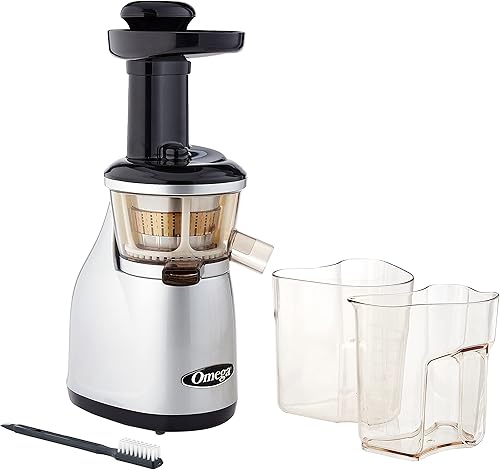
Most horizontal and vertical masticating juicers share the same basic components: the juicing bowl or drum, the auger, the strainer screen, the end cap, the juice cup, and the pulp cup. The Omega VRT350, which has earned over 1,500 reviews at a 4.3-star rating, uses a vertical drum design where the auger lifts straight out from the top. Horizontal models like the Omega J8007S require you to unscrew the end cap first, then slide the auger forward out of the drum. Always check your manual for the exact order because forcing parts apart in the wrong sequence can crack the drum or strip the end-cap threads. Remove every detachable piece before washing anything.
The Everyday Quick Clean
Fill one side of your sink with warm water and a few drops of dish soap. Submerge the auger, strainer screen, bowl, and caps, then use the cleaning brush that came with your juicer, or a soft bottle brush, to scrub each surface. Pay extra attention to the outside edge of the strainer screen where pulp collects along the rim. Rinse under running water and hold the screen up to light to confirm no pulp remains in the mesh holes. For budget models like the Elite Gourmet EJX600, rated 3.9 stars across 5,310 reviews, the strainer is a smaller screen sized for its compact 16 oz capacity, so a toothbrush works well for the fine holes. Never use abrasive scrubbers or steel wool on any juicer part.
Weekly Deep Clean to Prevent Staining
Once a week, soak plastic and strainer parts in a solution of one tablespoon of white vinegar per cup of warm water for 10 to 15 minutes. Vinegar breaks down mineral deposits from hard water and lifts light staining from beets, carrots, and turmeric without bleaching or scratching the surface. After soaking, scrub normally, rinse thoroughly, and smell the parts to confirm no vinegar scent remains before reassembling. For stainless steel components found on models like the Omega J8007S, a paste of baking soda and water applied with a soft cloth removes tougher discoloration and then rinses clean. Skip this soak on the motor base entirely since it must never contact water.
Drying and Reassembly
Set all parts on a clean drying rack or a dry dish towel with the hollow openings facing down so water drains out rather than pooling inside. The strainer screen in particular needs to air-dry completely because even a small amount of moisture trapped between the screen and drum creates a warm, dark environment where mold can grow. Most parts are fully dry within 30 to 45 minutes at room temperature. Once dry, reassemble in reverse order of disassembly. Give the assembled juicer a quick visual check to confirm the end cap is hand-tight and the auger rotates freely before your next use.
What to Avoid
Do not put any juicer part in the dishwasher unless the manual explicitly says it is dishwasher-safe. High heat warps the auger and strainer screen, and harsh detergent cycles etch plastic surfaces faster than years of hand-washing would. Never submerge or spray the motor base with water. Avoid soaking parts overnight, which causes some plastics to become brittle over time. Do not use bleach-based cleaners, which degrade gaskets and seals. If a part develops a persistent odor despite regular washing, a 15-minute soak in a diluted baking soda solution, one tablespoon per quart of water, usually resolves it without damage.
Common mistakes to avoid
- Leaving pulp to dry in the strainer screen for more than a few minutes, which turns a quick rinse into a long scrubbing job
- Washing the motor base under the faucet or in the sink, which can damage the motor
- Using abrasive pads or steel wool on the strainer screen, which widens the mesh holes and reduces juice quality over time
- Reassembling the juicer while parts are still damp, trapping moisture that leads to mold and odor
- Putting auger or strainer parts in the dishwasher without checking the manual, risking heat damage and warping
- Skipping the weekly deep clean and letting mineral buildup slowly clog the mesh
Frequently asked questions
Can I put masticating juicer parts in the dishwasher?
Most manufacturers do not recommend it. High dishwasher temperatures warp plastic augers and strainer screens, and abrasive detergents scratch surfaces that affect juice clarity. Check your specific model's manual since a few brands now list certain parts as top-rack safe, but hand-washing in warm soapy water is always the safer default.
How do I remove turmeric or beet stains from the juicer parts?
Soak the stained parts in a solution of one tablespoon of white vinegar per cup of warm water for 10 to 15 minutes, then scrub gently with a soft brush. For stubborn stains, a baking soda paste applied with a soft cloth and left for five minutes before rinsing usually clears the remaining discoloration. Avoid bleach, which damages seals and can leave a residue that contacts food.
How often should I do a deep clean?
A quick rinse and soap wash after every single use is non-negotiable. A deeper soak with vinegar or baking soda solution is worth doing once a week if you juice daily, or after every four to five uses if you juice less often. Hard water speeds up mineral buildup on the strainer, so in areas with hard tap water you may want to deep clean twice a week.
What brush should I use to clean the strainer screen?
Use the small cleaning brush included with your juicer if it has one, or a soft bottle brush for the drum and bowl and a retired toothbrush for the fine holes in the strainer screen. Stiff bristle brushes clean well without bending or widening the mesh holes the way abrasive pads can. Replace the cleaning brush every few months once the bristles splay, since worn bristles stop reaching into the mesh holes effectively.
Is it safe to clean masticating juicer parts with soap?
Yes, plain dish soap and warm water is the recommended everyday cleaning method for all removable parts. Rinse thoroughly after washing so no soapy residue remains, since even mild soap flavor transfers to your next batch of juice. Avoid antibacterial soaps with strong additives, which can leave a scent that is hard to fully rinse from porous plastic surfaces.