How to Clean a Food Processor the Right Way
To clean a food processor, disassemble all removable parts, rinse them immediately under cold water, then wash the bowl and lid in warm soapy water or on the top rack of the dishwasher if the manufacturer allows it. Wipe the motor base with a damp cloth, never submerging it. Dry every piece completely before reassembling to prevent odors and rust on the blade.


What to Do Right After You Finish Processing
The single most effective cleaning habit is rinsing immediately. Food that sits for even 10 minutes in a warm bowl starts to stick to crevices and the underside of the blade. Pour out the contents, then run cold water into the bowl and swirl it briefly before setting it in the sink. Cold water is better than hot at this stage because hot water can partially cook starchy or protein-rich residue onto plastic. This quick pre-rinse makes every subsequent step faster and easier.
How to Wash the Bowl, Lid, and Pusher
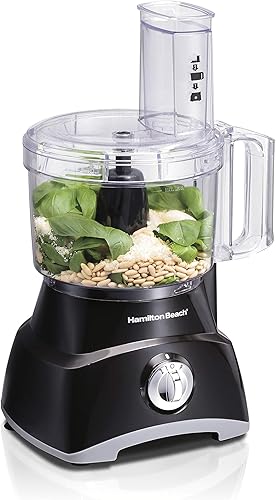
Most plastic and polycarbonate bowls tolerate top-rack dishwasher cleaning. The Hamilton Beach 70740, which has earned over 18,000 ratings at a 4.5-star average, uses a polycarbonate and stainless steel bowl that the manufacturer approves for the dishwasher top rack. If you hand-wash, use warm, not boiling, water with a few drops of dish soap and a soft sponge. Pay attention to the feed-tube collar and the lid locking tabs, where chopped bits collect. The Cuisinart DLC-4CHB, rated 4.5 stars across more than 10,400 reviews, has a 32-oz stainless steel bowl, and Cuisinart recommends hand-washing it to preserve the finish over time. Rinse thoroughly so no soap residue remains, then set parts upright to air-dry.
How to Handle the Blade Safely
The S-blade is the most dangerous part to clean and also the part people most often clean carelessly. Never drop it into a sink full of soapy water where you cannot see it. Instead, hold the plastic center hub firmly and use a long-handled bottle brush or a folded paper towel to wipe each edge away from the cutting side. Stainless steel blades, like those on the Cuisinart DLC-2AC (250 W, 24-oz bowl, 4.5 stars from 1,300 reviewers), resist corrosion well but can develop micro-rust spots if left wet. Dry the blade immediately with a towel or let it stand point-down in a drying rack for no more than a few minutes. Store it in a dedicated blade sleeve or back on the motor shaft with the bowl locked on top if your model allows.
Cleaning the Motor Base and Control Panel
The motor base houses the electrical components and must never be submerged or held under running water. Wipe it down with a lightly damp cloth after each use to remove splatter from the drive shaft area and the top platform. For dried-on residue around the shaft coupling, use a toothpick or a cotton swab to dislodge debris before wiping. The control buttons or dial on the front panel can be cleaned with a cloth barely moistened with diluted dish soap, followed immediately by a dry wipe. Do this cleaning while the machine is unplugged.
How to Deep Clean and Remove Odors
Every few weeks, or whenever the bowl smells of garlic or fish, run a deeper cleaning cycle. Fill the bowl halfway with warm water, add a tablespoon of baking soda, and pulse it for 10 to 15 seconds to let the solution reach the corners and lid seal. Discard the water, then rinse well. For stubborn stains from turmeric or beet, a paste of baking soda and a small amount of dish soap applied with a sponge and left for 5 minutes will lift the color without scratching plastic or polycarbonate. Do not use abrasive scrubbers on clear bowls, as they leave micro-scratches that trap more residue over time.
Gaskets, Seals, and Hard-to-Reach Parts
The rubber or silicone gasket inside the lid is easy to overlook and can harbor mold if not cleaned regularly. On models where the gasket is removable, pull it out, wash it with soap and warm water, and inspect the groove where it sits for any trapped particles. If the gasket is fixed, use a thin brush or folded damp cloth to clean around it. The same applies to the bowl collar, which connects the bowl to the base on many models. A 10-minute soak in warm soapy water once a month is usually enough to loosen anything a regular rinse leaves behind. Let gaskets air-dry fully before snapping them back in.
Common mistakes to avoid
- Submerging the motor base in water, which can cause electrical shorts or permanently damage the motor.
- Dropping the blade into a soapy sink blind, which is a common cause of cuts during cleanup.
- Letting the bowl and blade air-dry while stacked together, which traps moisture and leads to rust spots on stainless steel blades.
- Using abrasive scrubbing pads on plastic or polycarbonate bowls, creating scratches that hold onto odors and stains.
- Skipping the gasket and lid seal during cleaning, which lets mold build up in areas you cannot see.
- Running plastic bowls on the bottom dishwasher rack where higher heat can warp them over time.
Frequently asked questions
Can I put my food processor bowl in the dishwasher?
Many bowls are top-rack dishwasher safe, including the polycarbonate bowl on the Hamilton Beach 70740. Always check the manual for your specific model, because bottom-rack heat and harsh detergents can warp plastic lids and dull stainless steel finishes over time. When in doubt, hand-washing in warm soapy water takes only a couple of minutes and extends the life of the bowl.
How do I get rid of garlic or onion smell in my food processor?
Fill the bowl halfway with warm water and a tablespoon of baking soda, pulse for about 10 seconds, then rinse thoroughly. For persistent odors, a paste of baking soda and dish soap left on the bowl interior for 5 minutes before rinsing usually eliminates the smell. Letting the bowl dry completely with the lid off, rather than sealed, also prevents odors from building up between uses.
How do I safely clean a food processor blade without cutting myself?
Hold the plastic center hub, not the metal edges, and use a long-handled brush or a folded paper towel to wipe each blade surface in a motion that moves away from the edge. Never reach into a sink full of soapy water where the blade is not visible. Drying the blade immediately after rinsing and storing it in a protective sleeve or back on the shaft with the bowl covering it reduces the chance of an accidental cut.
How often should I deep clean a food processor?
A quick rinse and wash after every use keeps residue from building up. A deeper clean, including the gasket, lid groove, and a baking soda deodorizing rinse, is worth doing every two to four weeks depending on how often you use the machine. If you process raw meat, fish, or pungent aromatics like garlic or onion, deep-clean after those sessions rather than waiting for the scheduled interval.
Why does my food processor bowl look cloudy even after washing?
Cloudiness on polycarbonate or plastic bowls is usually caused by hard water mineral deposits or fine scratches from abrasive scrubbers. To remove mineral buildup, fill the bowl with equal parts white vinegar and water, let it sit for 10 minutes, then rinse and dry. Switching to a soft sponge for all future cleaning prevents new scratches from forming and keeps the bowl clear longer.