How to Clean a Blender: A Step-by-Step Guide
Fill the jar halfway with warm water and a drop of dish soap, run on high for 30 seconds, then rinse with clean water. That self-clean cycle handles most everyday residue without disassembly. For sticky buildup, dried smoothie, or nut butter, you need a deeper clean that includes the gasket, blade assembly, and base.


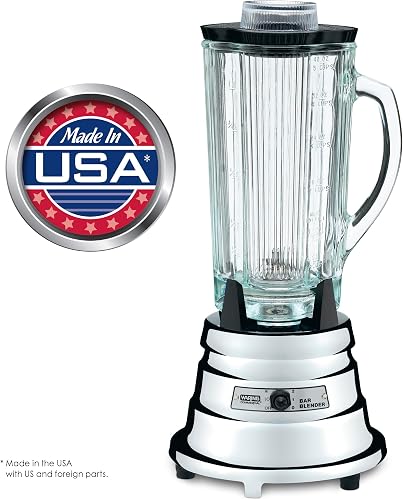
The Quick Self-Clean Method
The self-clean method works for blenders used with liquid-based recipes like smoothies, soups, and sauces. Add one cup of warm water to the jar, a small squeeze of dish soap, and secure the lid. Run the blender on its highest speed for 20 to 30 seconds, then pour out the soapy water and rinse with clean water. A high-wattage machine like the Waring MX1000XTX (1,560 W, rated 4.2 stars across 271 reviews) creates enough vortex pressure that this rinse reaches every surface inside the jar. Repeat with plain water if any soap residue remains, then set the jar upside-down on a drying rack.
Deep Cleaning the Jar and Blade Assembly
Deep clean your blender once a week or any time you process thick, sticky foods such as nut butters, hummus, or protein powders. Remove the jar from the motor base and unscrew the blade assembly by turning it counterclockwise. Wash the jar in warm soapy water using a long-handled bottle brush, paying attention to the bottom corners where residue collects. Rinse the blade assembly under running water and wipe each blade edge with a folded sponge, moving from the spine toward the tip so you do not cut your fingers. Allow all parts to air-dry completely before reassembling, since trapped moisture under the blade nut can cause a rubber gasket to degrade over time.
Cleaning the Gasket and Blade Nut
The rubber gasket sits between the blade assembly and the jar bottom and is the most overlooked part of any blender. Food particles work under the gasket with every blend cycle and will mold if the gasket is not removed and washed separately. Pull the gasket out with your fingers, scrub it with a soft brush and soapy water, and inspect it for cracks or flattening. A worn gasket causes leaks, so replace it if it no longer seats firmly. The blade nut should also be rinsed and dried each time you disassemble, especially on stainless steel jars like those found on the Waring BB900G (500 W, knob controls, rated 4.0 stars across 117 reviews), where mineral deposits from hard water can build up around threaded metal parts.
Cleaning the Motor Base
Never submerge the motor base in water. Wipe it down with a barely damp cloth after each use to catch drips before they dry into the ventilation slots. For stubborn stains around the base of the jar collar, use a toothpick or soft-bristle toothbrush dampened with a little dish soap. Pay extra attention to the area around the speed dial or touch controls, since liquid that seeps into electronic controls can cause them to malfunction over time. Once wiped clean, dry the base with a soft cloth immediately so no moisture sits in the slots.
Removing Stains and Lingering Odors
Turmeric, beets, and berries leave pigment stains on plastic jars that a standard rinse will not remove. Fill the stained jar with a mixture of two tablespoons of baking soda and two cups of warm water, let it soak for 15 minutes, then run the self-clean cycle. For odors left by garlic, fish, or strong spices, the same baking soda soak is effective, or you can use a 50/50 mixture of white vinegar and water. The Cuisinart CPB-300P1 has a stainless steel jar (350 W, touch controls, rated 4.3 stars across 3,200 reviews with 300 units sold last month) that resists staining far better than plastic, but it can still hold odors in the gasket, so do not skip that step.
Dishwasher Guidelines
Many blender jars are labeled top-rack dishwasher safe, but repeated dishwasher cycles degrade plastic jars faster than hand washing and can cloud clear containers. If the owner's manual lists the jar as dishwasher safe, place it on the top rack away from the heating element. Blade assemblies should always be hand-washed, since the high heat and harsh detergent in a dishwasher can pit stainless steel blades and shrink rubber gaskets. The motor base is never dishwasher safe under any circumstances. After a dishwasher cycle, remove the jar promptly and let it fully air-dry before putting the blade assembly back in.
Common mistakes to avoid
- Putting the motor base in water or the dishwasher
- Skipping the gasket when cleaning, which allows mold to grow underneath it
- Leaving the jar to soak with the blade assembly attached, which traps moisture under the blade nut
- Using abrasive scrubbers on plastic jars, which creates micro-scratches that harbor bacteria
- Running the self-clean cycle with cold water only, which does not dissolve oils and fats
- Reassembling parts before they are fully dry, which leads to gasket deterioration and rust on metal components
Frequently asked questions
Can I put my blender jar in the dishwasher?
It depends on the material and the manufacturer's instructions. Many jars are listed as top-rack dishwasher safe, but frequent dishwasher cycles will cloud plastic jars and can shrink rubber gaskets over time. The blade assembly and motor base should always be hand-washed regardless of what the jar label says.
How do I get rid of a bad smell in my blender?
Odors usually come from the gasket or from dried residue trapped under the blade assembly. Remove and wash the gasket separately, then soak the jar with a 50/50 mixture of white vinegar and warm water for 15 minutes. Follow with a baking soda soak if the smell persists, then rinse thoroughly and dry before reassembling.
Is it safe to clean blender blades by hand?
Yes, as long as you are careful with technique. Hold the blade assembly at the plastic hub, not the blades themselves, and wipe each blade from the spine toward the tip using a folded sponge or cloth. Never scrub back and forth across a blade edge, which is how most cuts happen.
How often should I deep clean my blender?
Do a full disassembly and deep clean at least once a week if you use the blender daily, or after any session involving thick, sticky foods like nut butters, hummus, or protein shakes. The self-clean rinse method is sufficient for everyday liquid blending between deep cleans.
My blender is leaking from the bottom. Will cleaning fix it?
A leak from the bottom of the jar usually means the gasket is worn, cracked, or not seated properly. Remove the blade assembly, inspect the gasket, and reseat it firmly. If the gasket looks flat, cracked, or stiff, replace it. Gaskets are inexpensive and widely available for most major brands.