Blender vs Food Processor: Which One Should You Buy?
Blenders excel at liquid-heavy jobs: smoothies, purees, crushed ice, and hot soups. Food processors handle dry or chunky work better, including slicing, grating, kneading, and coarsely chopping. Most home cooks genuinely need both at some point, but if you can only buy one, pick based on your most common task.


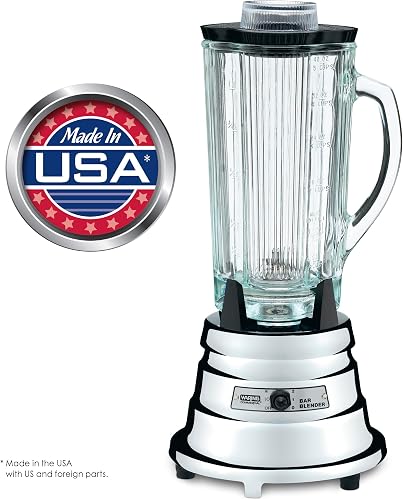
What a Blender Does Best
Blenders use a fast-spinning blade at the bottom of a tall jar to pull ingredients down and liquefy them. That design is ideal when liquid is part of the recipe, whether it is a smoothie, a tomato sauce, or a pureed soup. The Waring MX1000XTX, for example, runs at 1,560 watts and handles tough ingredients like frozen fruit and fibrous greens with two speed settings plus pulse. High-wattage blenders also crush ice reliably, which a food processor blade is not designed to do without risk of cracking the bowl. If you drink smoothies daily or make blended soups several times a week, a quality blender will earn its counter space quickly.
What a Food Processor Does Best
Food processors use a wide, shallow bowl with interchangeable discs and blades to chop, slice, shred, and mix. They work at lower speeds with far less liquid than a blender jar requires, which is why they handle tasks like mincing onions, grating a block of cheese, or cutting butter into flour for pie crust. Trying to do those jobs in a blender tends to over-process the food into a paste or simply fail to engage the blade at all when there is not enough liquid. Food processors also come with larger capacities in bowl volume, making them more practical for batch cooking.
Where They Overlap and Where They Do Not
Both machines can chop soft vegetables or make a salsa, so there is some overlap on basic prep work. A blender can technically chop an onion if you add water and drain it, but the result is uneven and the cleanup is messy. A food processor can blend a smoothie in a pinch, but without the tall narrow jar a blender uses, it will not create the same vortex needed for a smooth texture. Nut butters sit squarely in blender territory for most consumers, while slicing cucumbers paper-thin belongs to the food processor. Knowing where each tool falls short helps you decide which one to prioritize.
Countertop Space and Budget Realities
If your kitchen has limited counter space, buying both is a real tradeoff. Compact personal blenders like the Cuisinart CPB-300P1, rated 4.3 stars across more than 3,200 reviews at $89.99, take up very little room and cover smoothies and quick sauces without occupying the footprint of a full-size machine. A compact food processor around the same price range handles most chopping and grating tasks without needing the full suite of discs. Buying one mid-range model from each category typically costs less than a single high-end unit and covers more total use cases.
Which One to Buy First
For most home cooks, a blender is the more versatile first purchase. It handles smoothies, soups, sauces, dressings, and frozen drinks, which are tasks spread across breakfast, lunch, and dinner. The Waring BB900G is one example in the mid-range, rated 4.0 stars from 117 buyers at $379.00, with a 500-watt motor, stainless steel blades, and a knob control layout that is easy to use daily. If your cooking leans heavily on meal prep, vegetable prep, or baking, flip that priority and start with the food processor. Either way, once you have one, the second appliance tends to complement it rather than replace it.
Cleaning and Maintenance Differences
Blenders are generally faster to rinse out. Adding warm water and a drop of dish soap, then running the machine for 30 seconds, clears most residue immediately after use. Food processors have more parts: the bowl, lid, blade, and one or more discs, each requiring separate washing. If you dislike extra cleanup steps, lean toward the blender. If you already do batch prep and wash dishes in a dishwasher, the food processor parts are usually top-rack safe and the extra pieces become less of a concern. Waring blenders like the CB15 use a stainless steel jar that is durable but requires hand washing to preserve the finish.
Common mistakes to avoid
- Running a blender without enough liquid, which stalls the blade and strains the motor on chunky or dry ingredients.
- Trying to blend hot soup in a sealed blender without leaving a steam vent open, which can cause pressure buildup and a messy spill.
- Using a food processor for smoothies and expecting a smooth result, since the wide bowl does not create the downward vortex a blender jar produces.
- Buying a high-wattage blender assuming more power always means better results for all tasks, when food processor jobs still need the right tool regardless of motor strength.
- Skipping the food processor entirely for baking prep, then over-mixing pie dough or pastry in a blender and ending up with a tough crust.
- Choosing a blender or food processor based on jar or bowl size alone without checking whether the motor can sustain continuous use for the batch sizes you need.
Frequently asked questions
Can I use a blender instead of a food processor?
For liquid-based tasks like smoothies, sauces, and soups, yes. For dry chopping, slicing, shredding, or dough work, a blender is a poor substitute because it needs liquid to engage the blade properly and tends to over-process soft ingredients into a puree. Use a blender where liquid is part of the recipe and a food processor where it is not.
Is a food processor better than a blender for making salsa?
A food processor gives you more control over texture for chunky salsas, letting you pulse ingredients to a rough chop without liquefying them. A blender can make salsa but tends to produce a smoother, more uniform result that some people prefer and others find too runny. Both work, but pulse control in a food processor is more forgiving for keeping the texture chunky.
Do I need both a blender and a food processor?
Most home cooks who cook regularly will eventually find a use for both. A blender covers the liquid end of the kitchen, from morning smoothies to pureed soups, while a food processor handles prep tasks like dicing onions, shredding cabbage, or making pie dough. If budget or space is tight, pick the one that matches your most common cooking tasks and add the second when the opportunity arises.
What wattage do I need in a blender if I also want to handle some food processor tasks?
For any blending that approaches food processor territory, such as hummus, nut butters, or thick purees, aim for at least 1,000 watts. The Waring MX1000XTX at 1,560 watts handles denser loads that would bog down lower-powered machines. Keep in mind that even a high-wattage blender will not replicate slicing or grating functions that require the disc attachments found only on food processors.
Which appliance is easier to clean?
Blenders are generally quicker to clean because the jar is a single piece you can rinse or self-clean with soapy water in seconds. Food processors have multiple parts including bowls, lids, blades, and discs that each need separate attention. If minimal cleanup is a priority, the blender wins on convenience, though dishwasher-safe food processor parts reduce the gap when you already run a full dishwasher cycle.