Why Is My Food Processor Leaking Liquid?
A puddle under your food processor is almost always caused by one of a handful of fixable problems. Here is how to track down the source and stop it.
You load up the work bowl, lock the lid, and hit the button. Thirty seconds later there is liquid creeping across the counter. It is frustrating, but the good news is that food processor leaks are almost never a sign that the machine is done. In most cases you are looking at a worn gasket, an overfilled bowl, or a part that is not seated properly. This guide walks through every common cause, how to spot it, and what to do about it.

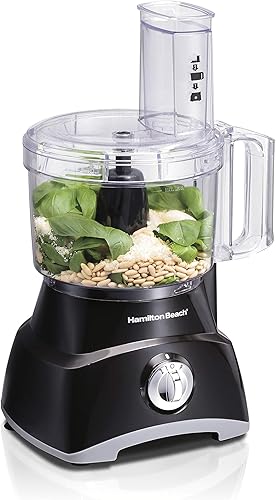

The Blade Gasket or Bowl Gasket Is Worn Out
The most common source of a food processor leak is the rubber or silicone gasket that seals the blade assembly to the bottom of the work bowl. Over time, heat from the motor and repeated dishwasher cycles cause the rubber to stiffen, crack, or compress unevenly. When the gasket no longer creates a tight seal, liquid finds its way out around the blade shaft.
To check this, remove the blade and look at the gasket ring. If it feels brittle, has visible cracks, or does not spring back when you press it, it needs to be replaced. Replacement gaskets are sold by most major brands and typically cost just a few dollars. Installing a new one usually fixes the leak immediately.
The Work Bowl Is Overfilled
Every food processor bowl has a maximum fill line, and it exists for a reason. When you process liquids or wet mixtures above that line, the spinning action forces liquid upward and outward past the lid seal. This is not a defect; it is a capacity limit.
As a general rule, keep wet ingredients at or below two-thirds of the bowl's total volume. If a recipe produces more liquid than that, work in batches. This is especially relevant with soups, sauces, and smoothies. The Cuisinart DFP-14BCNY, for example, has a 14-cup (112 oz) bowl but the fill line for liquids sits noticeably lower to account for the movement inside.
The Lid Is Not Locked Correctly
Food processor lids have a locking mechanism that must click or twist fully into place before the unit runs. If the lid is slightly off-center or the locking tab has not engaged, there will be a small gap between the lid and the bowl. At low speeds this may not matter much, but at high speed the centrifugal force pushes liquid straight toward that gap.
Always listen for a positive click when you set the lid. Some models require a two-step lock: place the lid, then rotate it a quarter turn. If the lid feels loose at any point, stop the machine and reseat it before continuing. If the locking tab itself is cracked or no longer catches, contact the manufacturer about a replacement lid.
The Feed Tube Pusher Is Missing or Improperly Seated
The feed tube on top of the lid is designed to be closed during liquid processing. When the pusher is absent or sitting crooked, it creates an open chimney and liquid can splash up and out through the tube.
Always insert the pusher before processing liquid-heavy mixtures. Some pushers have a small hole in them intentionally, to let you add liquids while the machine runs. If your machine has this design, pour slowly to avoid flooding the tube. If liquid is consistently spraying out of the feed tube, slow down the pour rate or stop the machine, add the liquid, then resume.
A Crack in the Work Bowl
Plastic and polycarbonate bowls can develop hairline cracks over time, especially if the bowl has been dropped or loaded into a dishwasher repeatedly at high heat. A crack may be nearly invisible when the bowl is dry, but it will leak the moment you add liquid.
Fill the bowl with plain water (no motor running) and set it on a dry towel for a minute. If you see moisture forming on the outside, you have a crack. Run your fingernail slowly along the inside walls and the bottom seam to feel for the break. Bowl replacements are available directly from the manufacturer or from appliance parts retailers. It is worth replacing rather than trying to seal a crack, since food-safe adhesives are limited and the fix rarely holds long term.
The Blade Assembly Is Not Seated All the Way Down
The blade assembly sits on a central post inside the bowl. If it has not dropped fully onto the post, it can tilt slightly, creating a gap between the blade hub and the bowl floor. Liquid then travels down through that gap and out underneath the machine.
Remove and re-insert the blade, pressing it firmly down until it sits flat and you feel it settle onto the shaft. On models where the bowl itself attaches to the base, also confirm the bowl has clicked into the base lock. A bowl that is even slightly off-axis will cause the same problem.
When to Contact Support or Replace the Machine
If you have checked every seal, replaced the gasket, confirmed proper loading, and the machine still leaks, the problem may be internal. A cracked base housing, a worn shaft seal inside the motor unit, or a stripped locking mechanism can all cause persistent leaks that home repairs cannot address.
For machines still under warranty, contact the manufacturer directly. Cuisinart, Hamilton Beach, and most major brands offer replacement parts programs and customer support lines. For older machines, compare the cost of a repair or replacement bowl to the price of a new unit. Many reliable food processors are available well under $100, and parts for models more than five years old can sometimes cost more than a new machine is worth. Questions? Reach out to us at hello@kitchenexplorers.com.
Frequently asked questions
Why is my food processor leaking from the bottom?
A leak from the bottom usually points to the blade gasket or the central shaft seal. Remove the blade assembly and inspect the rubber gasket ring. If it is cracked, flattened, or hard to the touch, replace it. If the gasket looks fine, the leak may be coming from inside the motor housing, which typically requires a service center repair.
Can I still use my food processor if it is leaking a little?
It depends on where the leak is. A small drip from an aging gasket is annoying but usually safe if the liquid is not near any electrical contacts. However, if liquid is reaching the motor housing or the base vents, stop using the machine until the issue is fixed. Liquid and electrical components are a safety risk.
How do I know if my food processor gasket needs replacing?
Press the gasket with your finger. A healthy gasket is pliable and springs back. If it feels stiff, crumbly, or leaves a flat impression, it has lost its sealing ability. Visible cracks or a white chalky surface are also clear signs it is time for a new one.
Is a leaking food processor covered under warranty?
Most manufacturer warranties cover defects in materials and workmanship, which can include a failed gasket or a cracked bowl that arrived that way. Leaks caused by overfilling, drops, or normal wear after the warranty period are typically not covered. Check your documentation and contact the manufacturer's support line with your model and purchase date.
Why does my food processor leak only when processing wet ingredients?
This is normal if you are processing at or above the maximum fill line. It can also happen with a gasket that holds fine for dry work but cannot handle the added hydraulic pressure of liquids. Try reducing the fill level by about a quarter. If that stops the leak, the gasket is borderline and worth replacing before it fails completely.