What to Do With Leftover Juicer Pulp
Juicer pulp is packed with fiber and flavor. Here is how to put it to work instead of sending it straight to the trash.
Every time you run produce through a masticating juicer, a pile of pulp ends up in the collection bin. It can feel like waste, especially after you just spent real money on organic carrots or a bunch of celery. The good news is that pulp is not trash. It still holds dietary fiber, some vitamins, and plenty of flavor. Whether your pulp is mostly fruit, mostly vegetable, or a mix, there is almost always a smart second use waiting for it.

Why Juicer Pulp Is Worth Keeping
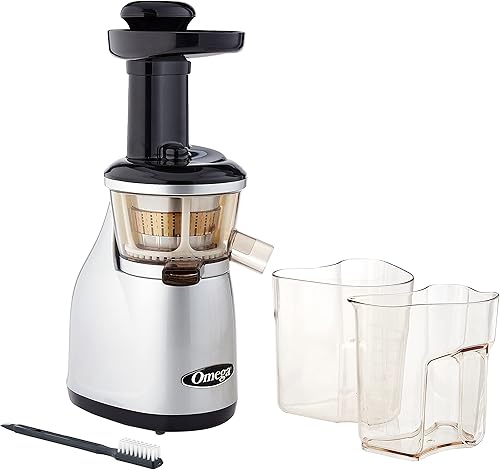
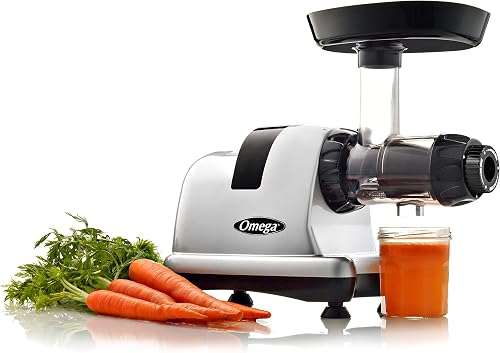
When a masticating juicer presses produce, it extracts liquid and leaves behind the fibrous solids. Those solids are not empty. They still contain insoluble fiber, which supports digestion, along with trace nutrients and the natural flavors of whatever you just juiced. Carrot pulp tastes like carrots. Apple pulp tastes like apples. That flavor does not disappear just because the juice was squeezed out.
Masticating juicers tend to produce drier pulp than centrifugal models because the slow-press auger extracts more juice per pass. That drier texture actually makes pulp easier to cook with because it does not add unwanted moisture to batters or doughs.
Add Pulp to Baked Goods
Vegetable and fruit pulp blends naturally into quick breads, muffins, and cookies. Carrot or beet pulp works the same way shredded carrots do in carrot cake. Apple or pear pulp can replace part of the fat in muffin recipes. A good starting point is to swap out up to a quarter of the flour by volume with dry pulp, or stir two to three tablespoons into any standard muffin batter without changing anything else.
For best results, spread wet pulp on a baking sheet and dry it in the oven at 200 degrees Fahrenheit for about 20 minutes before measuring. This keeps your baked goods from coming out too dense or gummy.
Stir Pulp Into Soups, Stews, and Sauces
Vegetable pulp dissolves easily into liquid dishes. A handful of tomato, celery, or carrot pulp stirred into a simmering soup adds body and nutrients without changing the flavor much. Blended soups like butternut squash or tomato bisque can absorb a full cup of matching pulp without anyone noticing.
For pasta sauces, work pulp into a soffritto base while sauteing the onions and garlic. The pulp cooks down and thickens the sauce. Beet and red pepper pulp gives marinara a deeper color. Zucchini or spinach pulp disappears completely into a cream sauce.
Make Veggie Burgers and Patties
Vegetable pulp is one of the better binders for homemade veggie patties. Carrot, beet, or sweet potato pulp combined with cooked beans, breadcrumbs, and seasonings holds together well when pan-fried. The fiber in the pulp acts similarly to breadcrumbs, soaking up moisture and giving the patty structure.
A simple ratio that works: one cup of cooked beans mashed with half a cup of vegetable pulp, a quarter cup of breadcrumbs, one egg (or a flax egg), and salt and pepper to taste. Form into patties and cook over medium heat for about four minutes per side until firm.
Use Fruit Pulp in Smoothies and Overnight Oats
Fruit pulp from apple, pineapple, or citrus goes straight back into your next smoothie. It adds fiber that the juicing process removed from the finished drink. Add two to three tablespoons of pulp per serving alongside your usual ingredients. The texture blends out completely in a high-speed blender.
For overnight oats, stir a spoonful of apple or pear pulp into the oat mixture before refrigerating. It adds natural sweetness and a bit of texture. Citrus pulp works well in yogurt parfaits, mixed in with honey and granola the morning of.
Make Homemade Crackers or Chips
Dehydrated vegetable pulp makes crispy, savory crackers with minimal effort. Mix one cup of dry pulp with two tablespoons of ground flaxseed, a tablespoon of olive oil, salt, garlic powder, and enough water to bring it together into a spreadable paste. Spread thin on a parchment-lined baking sheet and bake at 325 degrees Fahrenheit for 30 to 40 minutes, flipping halfway, until crisp.
Carrot, beet, and leafy green pulps all work well here. Season the paste before baking so the flavor is built in. These crackers store in an airtight container at room temperature for up to a week.
Compost What You Cannot Use
Not every batch of pulp will fit neatly into a recipe. Citrus pulp can be bitter and harder to cook with. Mixed pulp from a session where you ran a dozen different ingredients together does not always have an obvious use. Composting is the right call in those cases.
Juicer pulp is a nitrogen-rich green material, which makes it a good addition to any compost pile or bin. Layer it with dry browns like cardboard or dried leaves at roughly a 1-to-3 ratio to keep the pile balanced. It breaks down quickly, usually faster than whole produce scraps, because it is already shredded and has had most of its moisture removed.
Frequently asked questions
How long can I store juicer pulp before using it?
Fresh pulp keeps in a sealed container in the refrigerator for up to two days. For longer storage, portion it into a zip bag and freeze it for up to three months. Label the bag with the type of pulp so you know what you have when you pull it out later.
Can I use mixed fruit and vegetable pulp in recipes?
It depends on the recipe. Mixed pulp works fine in soups and compost. For baked goods or crackers, it is easier to use single-ingredient pulp so the flavors are predictable. If you juice several things in a row, consider collecting them separately if you plan to cook with the pulp.
Is citrus pulp safe to eat?
Yes, though citrus pulp tends to be more bitter than other fruit pulps because it includes bits of pith and membrane. Small amounts mixed into muffin batter or smoothies are fine. Large amounts on their own can taste harsh. Using it in composting or mixing it with sweeter pulps usually works better.
Does a masticating juicer produce better pulp for cooking than a centrifugal juicer?
Masticating juicers generally extract more juice, which leaves a drier pulp. Drier pulp is easier to measure and mix into recipes without adding excess moisture. Centrifugal juicer pulp tends to be wetter, which can make baked goods gummy unless you dry it out first.
What vegetables make the most useful pulp for cooking?
Carrot, beet, zucchini, sweet potato, and celery pulps are the most versatile. They have mild, neutral flavors that blend into a wide range of dishes. Leafy green pulps like kale or spinach work well in crackers and soups but can taste grassy in sweeter recipes.