How to Shred Cheese in a Food Processor
A shredding disc and a few simple steps turn your food processor into the fastest cheese shredder in your kitchen.
Shredding cheese by hand on a box grater works, but it takes effort and leaves knuckle-scraping risks. A food processor with a shredding disc does the same job in seconds and gives you consistent results whether you are grating two ounces for a garnish or eight ounces for a casserole. The key is understanding which attachment to use, how cold your cheese should be, and how much pressure to apply when feeding it through the chute. Get those three things right and you will never go back to the box grater for large batches.
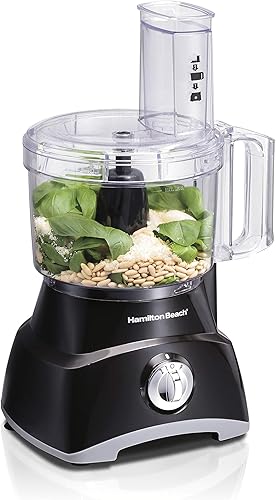

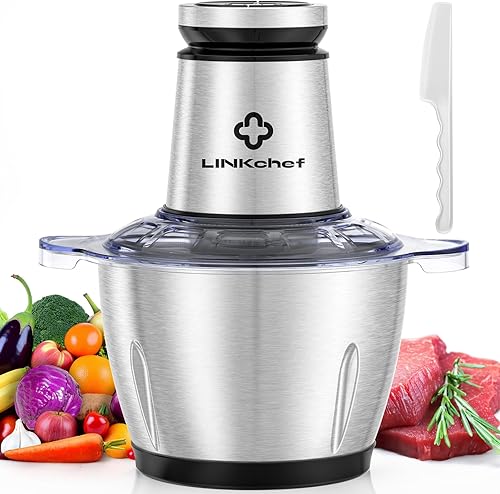
Use the Shredding Disc, Not the Chopping Blade
The S-shaped chopping blade that comes standard with most food processors is designed for pulsing and mincing, not shredding. Running cheese through it produces uneven crumbles at best and a sticky paste at worst. The shredding disc, which sits on a center post and spins like a grater drum, is the right tool for the job. Most food processors include at least one shredding disc; some come with both a coarse and a fine option. Use the coarse shredding disc for everyday mozzarella, cheddar, or Monterey Jack, and the fine disc for Parmesan or Pecorino when you want a powder-like texture. If you are not sure which disc you have, hold it up to the light and look at the hole size, with larger holes producing thicker shreds.
Chill the Cheese Before You Start
Cold cheese shreds cleanly; room-temperature cheese smears. Before you start, put your block in the freezer for 15 to 20 minutes. This firms up the fat in the cheese so the shredding disc can cut through it rather than drag it into a greasy clump. Semi-hard cheeses like cheddar, Colby, and Gouda respond especially well to a quick chill. Soft cheeses such as fresh mozzarella or brie are generally too moist to shred at any temperature and are better sliced or torn by hand. Very hard cheeses like aged Parmesan can go in straight from the refrigerator since they are already dense and dry.
Set Up the Machine and Feed Cheese Through the Chute
Lock the shredding disc onto the center post and secure the bowl and lid before you plug in the machine. Cut your chilled cheese into blocks that fit upright in the feed chute, which makes shredding more efficient than laying pieces flat. Start the processor, then use the food pusher to press cheese down through the chute with steady, moderate pressure. Do not force it, since the spinning disc does the work and heavy pushing just creates heat from friction. Models with larger bowls, such as those with 64 oz or 112 oz capacity, let you shred several cups of cheese in one pass without stopping to empty partway through. Stop the machine and clear any stuck pieces before refilling the chute.
Prevent Clumping in the Bowl
Even with well-chilled cheese, freshly shredded pieces tend to stick together as they warm in the bowl. If you need loose shreds for topping a pizza or a salad, a light toss with a small amount of cornstarch after shredding prevents clumping. About half a teaspoon per two cups of shredded cheese is enough to keep the strands separate without affecting the flavor. You can also spread shredded cheese on a baking sheet and refrigerate it for a few minutes to firm it back up before storing. If the shreds clump mid-run, pause the machine and use a spatula to break them apart before continuing.
Match Machine Power to the Cheese Type
Most home food processors in the 450W to 720W range handle semi-hard cheeses without strain. A 450W machine with stainless steel blades manages an eight-ounce block of cheddar in under 30 seconds, while a 720W model gets through larger batches without slowing down. Very hard aged cheeses put more load on the motor, so if you frequently shred Parmesan or aged Gruyere, a higher-wattage machine handles that work more comfortably over time. Bowl capacity matters too: a 64 oz bowl suits most household recipes, while a 112 oz bowl lets you shred a full pound of cheese without stopping to empty it partway through.
Clean Up Without a Struggle
Cheese can coat the shredding disc and the inside of the bowl thoroughly, especially if the cheese warmed up during the run. Rinse everything under warm, not hot, water immediately after use before the fat has a chance to set. Most shredding discs and bowls are dishwasher safe, but check your manual since some bowls with certain plastics are rated top-rack only. For the disc, a soft brush works better than a sponge for clearing cheese out of the holes without bending the cutting edges. A quick wipe of the motor base with a damp cloth takes care of any bits that escaped the bowl, and the machine is ready for its next use.
Common Mistakes and How to Avoid Them
Using warm cheese is the most frequent cause of gummy, clumped results, so the freezer step is worth doing every time. Running the machine continuously for several minutes can overheat both the motor and the cheese, so shred in 20-second bursts for large quantities. Skipping the food pusher and just dropping pieces into the chute leads to uneven shreds or pieces bouncing rather than feeding smoothly through the disc. Finally, trying to shred a cheese that is too soft or crumbly for the disc will give poor results, so if the cheese has a moisture content similar to ricotta or cottage cheese, a food processor is not the right tool for that job.
Frequently asked questions
Can I shred any type of cheese in a food processor?
Semi-hard and hard cheeses such as cheddar, mozzarella, Gouda, Gruyere, and Parmesan all shred well in a food processor. Soft cheeses with high moisture content, like ricotta, brie, or fresh mozzarella packed in water, are not suitable because they smear rather than shred. Crumbly cheeses like feta can work if they are very cold, but the result is more of a rough crumble than a clean shred.
Do I need a special attachment or does the standard blade work?
You need the shredding disc, not the standard S-blade. The S-blade chops and processes, which turns cheese into an uneven paste under the heat of friction. The shredding disc works like a rotary grater and produces the long, thin strands you want. Most food processors include a shredding disc in the box, and replacement discs are widely available from the manufacturer if yours is missing.
How long does shredded cheese keep after processing?
Freshly shredded cheese keeps in an airtight container in the refrigerator for about five to seven days. It tends to dry out faster than block cheese because more surface area is exposed to air, so tightly sealed storage matters. For longer storage, freeze shredded cheese in a zip-top bag with as much air removed as possible, where it keeps well for up to three months and thaws quickly.
My shredded cheese is coming out in clumps. What am I doing wrong?
Clumping almost always means the cheese was too warm going in, or the machine ran long enough to heat the cheese through friction. Return the cheese to the freezer for 15 minutes and try again. If clumping happens in the bowl as you shred, toss the finished shreds with a pinch of cornstarch to keep them separated. Processing in shorter bursts instead of one long continuous run also reduces heat buildup.
How much cheese can I shred at once?
That depends on your bowl size. A 64 oz bowl can handle roughly 8 ounces of block cheese per run before needing to be emptied, while a 112 oz bowl can manage a full pound in one pass. Overfilling the bowl crowds the shreds and can cause them to pack together or jam around the disc. For large batches, empty the bowl every few ounces to keep the process running smoothly.