How to Make Nut Butter in a Blender
A high-powered countertop blender can turn a cup of roasted nuts into fresh, preservative-free nut butter in about five minutes.
Store-bought nut butter often contains added sugar, palm oil, or stabilizers you may not want. Making it at home gives you full control over ingredients and lets you dial in texture from chunky to glass-smooth. The catch is that not every blender can handle the job, and skipping a few key steps leads to a seized motor or a grainy result. This guide covers what you need to know to get it right the first time.


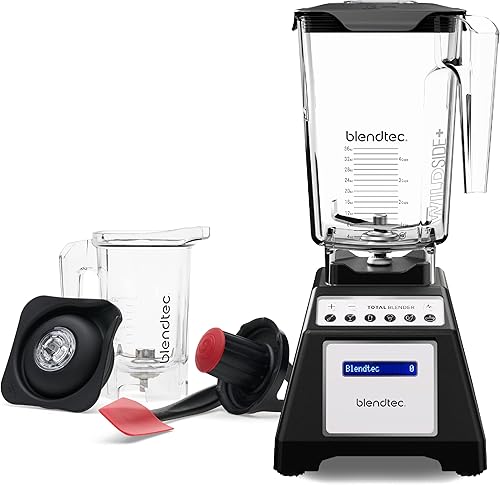
What Kind of Blender Works Best
Nut butter is thick, sticky, and puts sustained load on a motor for several minutes at a time. A blender rated at 1000 watts or more handles the job most reliably. Models in the 1400 to 1560 watt range, like those from Vitamix and Blendtec, can run long enough to fully emulsify the oils without overheating. Lower-wattage blenders can work for small batches of softer nuts like cashews, but they struggle with almonds or dry-roasted peanuts. Check your manual before starting, because some manufacturers specifically note nut butter as an approved use, while others do not.
The Best Nuts to Start With
Peanuts are the easiest starting point because they have a high natural oil content that releases quickly once blending begins. Cashews are close behind, producing an exceptionally creamy result with minimal effort. Almonds take longer and often need a small amount of added oil to reach a smooth consistency. Walnuts and pecans work well but produce a softer, more spreadable butter that some people find too loose. Hazelnuts are excellent for a chocolate-nut spread if you combine them with cocoa and a sweetener. Whatever nut you choose, roasting it beforehand makes blending faster and improves flavor.
How to Roast Nuts for Better Results
Spread raw nuts in a single layer on a rimmed baking sheet and roast at 350 degrees for 8 to 12 minutes, stirring once halfway through. The goal is a light golden color and a nutty aroma, not dark brown. Roasting loosens the oils inside the nut, which cuts blending time noticeably. Let the nuts cool for at least 10 minutes before adding them to the blender jar. Hot nuts can cause steam to build up inside a sealed jar and may affect the texture of the finished butter.
Step-by-Step Blending Process
Add 2 cups of roasted nuts to your blender jar and secure the lid. Start on a low speed for 30 seconds to break the nuts down into a coarse meal. Stop, scrape the sides with a spatula, then blend again on medium-high for 1 to 2 minutes. The mixture will look dry and crumbly at this stage, which is normal. Keep blending and the friction will warm the nuts enough to release their oils. Within 3 to 5 minutes total, the butter should be smooth and glossy. If the blender strains or the texture stays grainy after 4 minutes, add a teaspoon of neutral oil at a time, up to 2 tablespoons, and blend for another minute.
Seasoning and Add-Ins
Plain nut butter needs only a pinch of salt blended in at the end. For sweetened versions, add a teaspoon of honey or maple syrup and blend for 20 seconds. Cinnamon, vanilla extract, or a small amount of cocoa powder all mix in cleanly if added after the butter is smooth. Avoid adding liquid sweeteners in large amounts, because water can cause the fat in the nuts to seize and turn grainy. Keep add-ins to no more than 2 tablespoons total per 2-cup batch to maintain good texture.
Storing Homemade Nut Butter
Transfer finished nut butter to a clean glass jar with a tight lid. It keeps at room temperature for up to two weeks or in the refrigerator for up to a month. Because there are no stabilizers, the oils will separate when stored, which is normal. Stir before using. If you refrigerate it and find it too stiff to spread, let the jar sit at room temperature for 15 to 20 minutes before opening. Avoid storing it in a plastic container for extended periods, since nut oils can pick up off-flavors from some plastics over time.
Troubleshooting Common Problems
If the butter stays grainy after five minutes of blending, the nuts were likely under-roasted or the batch size is too small for the jar. A minimum of 1.5 cups of nuts gives the blades enough material to work against. If the blender stops or struggles, let the motor cool for five minutes before continuing. If the result is too thick to blend smoothly, a small amount of a neutral oil like avocado or refined coconut oil brings it together. If the butter tastes bitter, the nuts were over-roasted. Aim for a light, even golden color rather than deep brown when roasting.
Frequently asked questions
Can any blender make nut butter?
Most countertop blenders rated at 1000 watts or more can handle soft nuts like cashews or peanuts. Blenders below that threshold may overheat or fail to produce a smooth result with harder nuts like almonds. Always check your owner's manual to confirm nut butter is listed as a supported use before running a long cycle.
Do I need to add oil to make nut butter in a blender?
Usually not, if you start with properly roasted nuts. The heat from friction during blending releases enough natural oil to produce a smooth texture. For very dry nuts, or if your blender runs cool, adding one to two teaspoons of neutral oil helps the process along. Start without oil and only add it if the butter stays grainy after four to five minutes of blending.
How long does it take to blend nut butter?
Most batches take three to five minutes of total blending time, with one or two brief stops to scrape the sides. Peanuts and cashews tend to finish on the faster end. Almonds can take closer to six or seven minutes depending on the roast level and how much oil was released. Blending in short bursts of 60 to 90 seconds with scraping breaks in between is easier on the motor than one continuous run.
Why does my nut butter look dry and crumbly at first?
That crumbly texture is the normal first stage in the process. The blades break down the nuts into a dry meal before the friction from continued blending warms the mixture and pushes the oils out of the nut tissue. Keep going and within a minute or two the texture shifts from dry and sandy to smooth and glossy. Stopping too early is the most common reason people end up with grainy nut butter.
Can I make nut butter in a personal blender?
Personal blenders can handle small batches of soft nuts like cashews or soaked almonds, but they are not built for the sustained load that nut butter requires. Most personal blenders are designed for quick single-serve blends rather than multi-minute processing cycles. Running one continuously for several minutes risks overheating the motor. For regular nut butter making, a full-size countertop blender is the more practical tool.