How to Get More Juice From a Masticating Juicer
A few straightforward prep and technique adjustments can meaningfully increase the yield you get from your slow juicer.
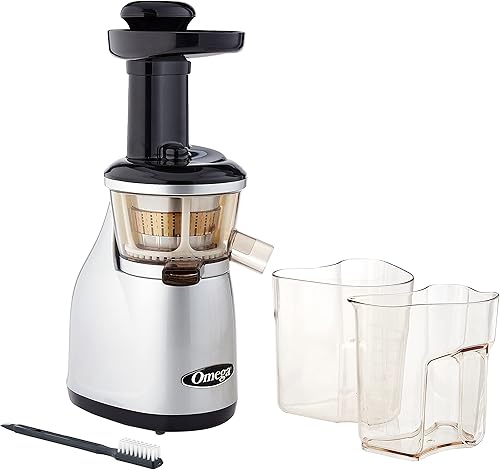
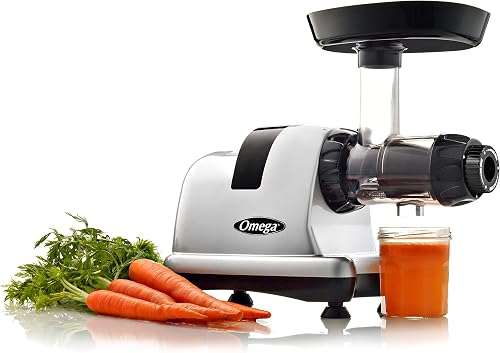
Masticating juicers are slow for a reason: the auger presses produce at a low speed so more juice ends up in your glass instead of leaving with the pulp. Even so, many people get less juice than their machine is capable of producing. The culprit is almost always in the prep, the feed order, or how the pulp is handled, not the juicer itself. Fixing a few habits can make a noticeable difference without any extra equipment.

Cut Produce Into Smaller, Consistent Pieces
Masticating juicers work by feeding produce through a narrow chute and pressing it against a screen. When pieces are too large or uneven, the auger has to work harder and may pass material through with less contact against the screen. Cutting vegetables and fruits into pieces roughly one inch across gives the auger a consistent bite. For long, fibrous vegetables like celery or beets, cut across the grain rather than lengthwise. This breaks up the fibers before they enter the machine, which reduces strain on the motor and tends to increase extraction.
Alternate Hard and Soft Produce
Feeding only soft items back to back, such as cucumber or melon, can create a wet, slippery mass that slides past the auger without full compression. Alternating hard produce like carrots or beets with softer items keeps the auger engaged and provides a firm base for the press. Think of harder pieces as a natural pusher. Even a small piece of apple or carrot between leafy greens significantly improves how well the greens get compressed. This alternating rhythm is one of the most consistent ways to raise your yield without changing anything else.
Run Pulp Through a Second Time
The pulp that comes out of a single pass still contains juice, especially with fibrous greens, ginger, and wheatgrass. Running the pulp through the juicer a second time is one of the easiest ways to recover a meaningful extra amount of juice. Some people add a small amount of water to the pulp before the second pass to help the remaining juice release. The second-pass juice tends to be slightly lighter in color and flavor, but it is real juice and it mixes fine back into the first-pass batch. With leafy greens in particular, a second run can add 15 to 25 percent more volume.
Feed Greens Tightly Rolled or Bundled
Loose leafy greens like spinach, kale, or parsley tend to slip around inside the chute instead of pressing cleanly against the screen. Rolling or tightly bundling leaves before feeding them in gives the auger something to grip and compress. Wrap a few leaves around a harder piece of produce, like a cucumber spear or a stick of celery, so the outer wrapper of greens gets pressed through with the harder core acting as the driving force. This bundling method is especially useful for kale stems and herbs that are too light to feed reliably on their own.
Match Your Speed Setting to the Produce
Many masticating juicers offer two speed settings. The lower speed is designed for soft fruits and leafy greens, giving them more time in contact with the screen. The higher speed works better for firm produce like carrots, beets, and apples. Using the wrong speed is a common reason yield suffers. Running soft items on high speed moves them through too quickly, and running hard items on low can bog the motor down before full compression happens. If your machine has a reverse function, a short burst in reverse when the auger sounds labored can clear a partial blockage and restore normal compression.
Chill Produce Before Juicing
Cold produce is firmer, and firmer produce compresses more cleanly than room-temperature produce that has softened. Running refrigerator-cold fruits and vegetables through the juicer tends to produce slightly better extraction and a cleaner-tasting juice. This matters most for soft fruits like pears, peaches, and overripe apples, which can become mushy at room temperature and yield less juice than expected. For best results, store produce in the fridge overnight rather than leaving it on the counter before a morning juicing session.
Do Not Let the Machine Run Continuously Without a Break
Extended continuous runs can cause the motor to heat slightly, which in turn can affect how consistently the auger presses produce. Most manufacturers specify a maximum continuous run time, often 20 to 30 minutes, before a short cooling break is recommended. Staying within that window keeps performance steady throughout the session. For larger batches, juicing in two or three segments with a brief pause in between is a simple habit that keeps extraction consistent from the first piece of produce to the last.
Frequently asked questions
Why is my masticating juicer producing dry pulp but low juice volume?
Dry pulp with low volume often means the produce is not feeding through fast enough or the pieces are too large for consistent compression. Try cutting produce smaller and alternating hard and soft pieces as you feed. Also confirm the screen is clean and properly seated, since a clogged or misaligned screen redirects juice rather than collecting it.
Does pre-soaking vegetables improve juice yield?
Soaking does not meaningfully increase juice yield and can actually dilute the flavor of the final juice. Produce releases juice through mechanical compression, not hydration. If anything, very wet produce can make feeding less consistent. Cold storage is a better approach than soaking.
How much extra juice does a second pulp pass actually produce?
It depends on the produce type. Leafy greens and wheatgrass typically offer the most in a second pass, sometimes adding 15 to 25 percent more juice. Hard vegetables like carrots and beets usually yield very little on a second pass because the first pass is already quite efficient. It is worth doing for greens but may not be worth the extra cleanup time for root vegetables.
Is it better to juice cold or room-temperature produce?
Cold produce from the refrigerator is generally better for yield and flavor. Colder produce is firmer and compresses more cleanly under the auger. Room-temperature soft fruits like pears or ripe tomatoes can turn to a loose mash that feeds unevenly and produces less juice per pound.
Can running the juicer on reverse help with yield?
Reverse is primarily a clearing function rather than a yield booster. When produce builds up against the screen and the auger slows or stalls, a brief reverse burst dislodges the blockage and lets the auger get back to normal compression. Clearing those mini-jams promptly does preserve yield because it prevents produce from passing through partly compressed.