Can You Make Nut Milk in a Masticating Juicer?
Masticating juicers are surprisingly well-suited to making nut milk at home, and the process is simpler than most people expect.
If you already own a slow juicer, you may not need a dedicated nut milk bag or a high-powered blender to make almond milk or cashew milk at home. Masticating juicers use a slow-turning auger that presses ingredients rather than shredding them at high speed, which means they can extract liquid from soaked nuts fairly efficiently. The result is a fresh, additive-free milk that you control from start to finish. Not every machine handles the job equally well, so knowing a few basics before you start saves time and wasted ingredients.

How a Masticating Juicer Handles Nuts
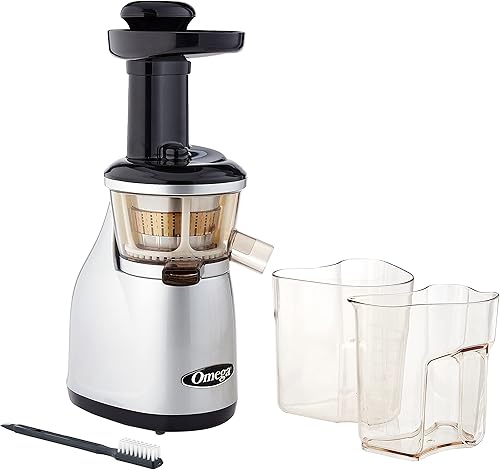
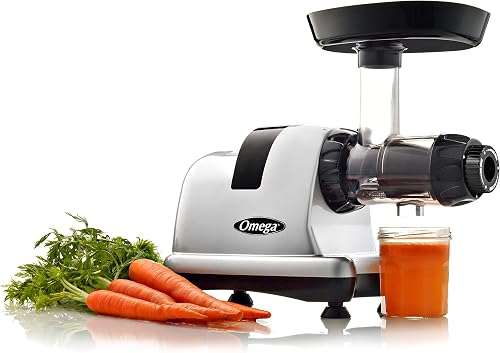
A masticating juicer works by crushing food against a screen and squeezing the liquid through. When you feed soaked nuts into the chute, the auger presses them the same way it would a carrot or leafy green. The nut pulp collects in the pulp bin while the milk flows into the juice pitcher. Because the motor runs at a low RPM, there is very little heat generated, which many people prefer for preserving the flavor of raw nuts. The process is slower than blending, but it requires almost no straining once the machine does its work.
Which Nuts Work Best
Almonds and cashews are the most common choices, and both work well after proper soaking. Cashews tend to be softer after soaking, so they pass through the machine more smoothly and yield a creamier result. Almonds need a full 8 to 12 hours of soaking to soften enough for the auger to process without straining the motor. Macadamia nuts also work well because of their high fat content and relatively soft texture once soaked. Harder nuts like hazelnuts can be used but may require an extra pass through the machine to extract all the liquid. Brazil nuts are possible but tend to produce a thicker, fattier output that some people find too rich on its own.
Step-by-Step: Making Almond Milk
Start by soaking one cup of raw almonds in cold water for at least 8 hours, then drain and rinse them thoroughly. Set up your juicer with a clean pitcher under the juice spout. Feed the soaked almonds into the chute a small handful at a time rather than loading them all at once, which gives the auger time to process each batch cleanly. Once all the almonds are through, run the collected pulp through a second time to recover any remaining liquid. The fresh milk stores in a sealed container in the refrigerator for 3 to 4 days. Add a pinch of salt or a date to the pitcher before your second pass if you want a lightly sweetened version.
What to Expect From the Yield
One cup of raw almonds will typically yield around 2 to 3 cups of nut milk, depending on how soft the nuts are after soaking and how efficient your particular machine is. The pulp that collects in the bin will still be damp, which is why running it through a second time matters. Masticating juicers generally recover more liquid per cup of nuts than a nut milk bag used with a blender, because the mechanical pressure is more consistent than squeezing by hand. The milk will be thinner or thicker depending on how much water was still in the nuts at processing time, so results vary slightly between batches.
Tips for Better Results
Always soak nuts before running them through your slow juicer. Dry nuts are too hard and can place unnecessary stress on the auger and screen. Rinse the soaked nuts well before feeding them in, since leftover soaking water can contain compounds that taste slightly bitter. If your machine has a blank plate or homogenizing attachment, use it instead of the standard juicing screen for a smoother output. Run a small amount of plain water through the chute after the nuts to flush out the last of the milk sitting in the chamber. Clean the screen immediately after use, since nut residue can dry and harden quickly, making it harder to remove.
Juicers That Handle Nut Milk Well
Horizontal auger juicers like the Omega J8007S, rated 4.5 stars across 410 reviews and priced at $199.87, are frequently cited for versatile performance on soft foods including soaked nuts. The Omega VRT350, also $199.87 and rated 4.3 stars by over 1,500 buyers, uses a vertical auger design and handles cashews and macadamia nuts smoothly with its 150 W motor running at a low speed. The Omega J8006, priced at $259.87 with a 4.5-star rating across 153 reviews, also handles nut processing and comes with a blank cone that is specifically useful for this task. When shopping for a slow juicer to use for nut milk, look for machines that advertise a homogenizing attachment, since that screen produces a finer, more uniform texture.
Common Mistakes to Avoid
Skipping the soak is the single biggest mistake, and it can cause the machine to jam or produce very little liquid. Using too many nuts at once overloads the auger, so keep the feed gradual and steady. Not running the pulp through a second time leaves a noticeable amount of milk behind, reducing your total yield. Some people add flavoring directly into the juicer chute, but this can gum up the screen, so it is better to stir in vanilla extract or sweetener after the milk is collected. Finally, assuming the result will taste identical to commercial nut milk leads to disappointment. Fresh homemade versions are naturally thinner and more neutral, which many people prefer once they get used to it.
Frequently asked questions
Do I need a special attachment to make nut milk in a slow juicer?
A homogenizing or blank plate attachment produces the best results because it has smaller or no holes, which creates more pressure and a smoother output. Many masticating juicers include one in the box. If yours does not, the standard juicing screen still works, though the texture may be slightly grainier.
Can I use the nut pulp left over after juicing?
Yes. Almond pulp from a masticating juicer is similar to what you get from a nut milk bag. Let it dry in a low oven or a dehydrator and you can use it as almond flour in baked goods, energy balls, or as a coating for pan-fried foods. Cashew pulp is moister and works well blended into soups or spreads.
How long does homemade nut milk last?
Keep it in a sealed glass jar or bottle in the refrigerator and plan to use it within 3 to 4 days. Unlike commercial versions, homemade nut milk contains no preservatives or stabilizers, so it can separate within a day. Shake or stir it before each use and discard it if it smells sour or off.
Will making nut milk damage my juicer?
Properly soaked nuts are soft enough that most masticating juicers handle them without issue. The main risk is feeding in too many at once or using inadequately soaked nuts, both of which can jam or strain the auger. Follow a gradual feed pace and soak times of at least 8 hours for almonds, and 4 to 6 hours for cashews, to keep the machine running smoothly.
Is it cheaper to make nut milk at home with a juicer?
It can be, depending on how much you use. A pound of raw almonds costs considerably less per serving than bottled almond milk, especially for organic varieties. The upside of the juicer method over a blender plus bag is that cleanup is straightforward and you recover more liquid per cup of nuts. The machine itself is the main upfront cost, but if you already own a slow juicer for everyday juicing, nut milk is a free extra capability.