The Best Vegetables for a Slow Juicer
Masticating juicers shine with certain vegetables, and knowing which ones to reach for first will save you time and stretch every produce dollar.
A slow juicer crushes and presses produce at low speed instead of shredding it with a high-speed blade, which means it handles fibrous and leafy vegetables differently than a centrifugal machine does. Some vegetables practically pour juice on their own, while others need a little help from softer produce to move through the auger smoothly. Understanding these differences lets you build better recipes, reduce wasted pulp, and keep your juicer running without jams. This guide covers the vegetables that consistently deliver the best results in a masticating juicer.

Leafy Greens: Kale, Spinach, and Chard
Leafy greens are where masticating juicers have the clearest advantage over centrifugal models. The slow auger squeezes cell walls thoroughly, which pulls significantly more liquid from kale, spinach, Swiss chard, and collard greens than a fast-spinning blade can. Kale works especially well because its thick leaves have enough structure to feed through steadily. Spinach is softer and produces less juice on its own, so rolling it into a tight ball or alternating it with harder vegetables like cucumber helps it move through without getting stuck. Chard falls between the two, with stems that juice efficiently and leaves that benefit from being folded before feeding. Keep portions moderate and alternate with a watery vegetable every few handfuls to maintain steady flow.
Celery: High Yield, Easy Processing
Celery is one of the most efficient vegetables you can run through a slow juicer. It is roughly 95 percent water by weight, so the yield per stalk is high and the dry pulp that comes out confirms how thoroughly the auger extracted the liquid. Cut stalks into 3 to 4 inch pieces so they feed through without binding at the chute. Celery juice has a distinct savory flavor that blends well with apple, cucumber, or lemon, making it a natural base for green juice blends. The fibrous strings in celery can sometimes wrap around older augers, so check the pulp basket occasionally during longer sessions to catch any buildup before it causes friction.
Cucumber: The Ideal Pairing Vegetable
Cucumber is high in water content and mild in flavor, which makes it a useful companion for tougher or more bitter vegetables like kale or beet greens. Its soft texture moves through the auger quickly, and the juice it produces helps thin out thicker blends naturally. English cucumbers work particularly well because their lower seed count keeps the pulp drier and the juice cleaner. Peel waxed cucumbers before juicing to avoid a waxy coating on the auger components. You can juice cucumber with the skin on if it is organic, which adds a small amount of additional nutrients without affecting flavor significantly.
Beets: Dense Nutrition, Slow and Steady
Beets produce a deeply colored, sweet juice that is popular in performance and recovery blends, but they require a bit of patience in a slow juicer. Their density means you should cut them into smaller chunks, roughly 1 to 1.5 inch cubes, rather than feeding whole or halved beets through the chute. Alternating beet pieces with cucumber or apple keeps the auger from laboring under continuous dense material. The earthy sweetness of beet juice pairs well with ginger, lemon, and apple. Both red and golden beets work, though golden beets produce a lighter-colored juice that is easier to mix into recipes without staining other ingredients.
Wheatgrass and Herbs: Where Slow Juicers Truly Excel
Wheatgrass is nearly impossible to juice effectively in a centrifugal machine, but a masticating juicer handles it without difficulty. The auger chews through the tough grass fibers and extracts a concentrated juice that a high-speed blade would largely shred and discard as foam. Fresh herbs such as parsley, cilantro, and mint behave similarly, yielding far more usable juice in a slow machine than in a fast one. Roll herbs into a tight bundle or pack them between harder vegetables so the auger grips them fully. Quantities of wheatgrass are small by design, typically 1 to 2 ounces per serving, so a few passes through the chute is all you need.
Root Vegetables: Carrots, Ginger, and Turmeric
Carrots are a workhorse vegetable in any masticating juicer. They are firm enough to feed through consistently without jamming and produce a sweet, mildly earthy juice that works in both standalone drinks and complex blends. Cut large carrots in half lengthwise if your chute is narrow. Ginger and turmeric are intensely flavored and should be used in small amounts, typically a 1 inch knob of each per batch, but their fibrous texture is no obstacle for a slow auger. Fresh ginger in particular benefits from slow extraction because the auger breaks down the stringy fibers more completely than a centrifugal blade, releasing more of the volatile oils that carry the heat and aroma.
Vegetables to Use Carefully or Avoid
A few vegetables are worth approaching with care in a slow juicer. Starchy vegetables like raw potato and sweet potato can create a thick, paste-like pulp that strains the motor if fed too quickly, so use very small pieces and mix them with high-water vegetables. Bell peppers juice reasonably well but their seeds can sometimes slip through the filter screen, so deseed them first. Avocado contains very little free liquid and is better suited to a blender. Broccoli stems juice fine, but the florets produce minimal liquid and a strong bitter flavor that most people find unpleasant in juice form.
Frequently asked questions
Do I need to peel vegetables before juicing them in a slow juicer?
For most vegetables, peeling is optional if the produce is organic and washed well. Cucumber, carrot, and beet skins are all fine to juice. The main exception is waxed produce, such as conventionally grown cucumbers, where the wax coating can coat internal parts over time. Citrus peel is bitter and contains oils that overwhelm other flavors, so peel citrus fruits before juicing them even in a slow machine.
Why does my slow juicer produce so little juice from spinach?
Spinach is very soft and tends to compress around the auger rather than being gripped and squeezed efficiently. Rolling spinach leaves into tight balls before feeding them through helps the auger catch them properly. Alternating spinach with a firmer vegetable like celery or carrot every few handfuls improves yield noticeably. Most masticating juicers extract less total volume from spinach compared to harder produce simply because spinach has a lower water-to-fiber ratio than vegetables like cucumber or celery.
Can I juice frozen vegetables in a masticating juicer?
Most manufacturers advise against juicing frozen vegetables directly. The extreme hardness of frozen produce can crack plastic auger components or damage the filter screen. Thaw vegetables completely and pat them dry before running them through. Partially frozen produce is especially problematic because the uneven hardness creates unpredictable stress on the auger. If you want cold juice, juice fresh produce and then chill or ice the finished juice rather than starting with frozen ingredients.
How much produce do I need to make an 8-ounce glass of vegetable juice?
Yield depends on the vegetable. High-water vegetables like cucumber and celery can produce close to 1 ounce of juice per ounce of produce, so you might need around 10 to 12 ounces of celery for an 8-ounce glass. Denser or drier produce like kale or spinach yields far less, sometimes requiring 3 to 4 times the weight in greens to fill the same glass. Blending high-yield and low-yield vegetables together is the most practical way to hit a target volume without using an impractical amount of any single ingredient.
Is it worth buying a masticating juicer just for vegetables?
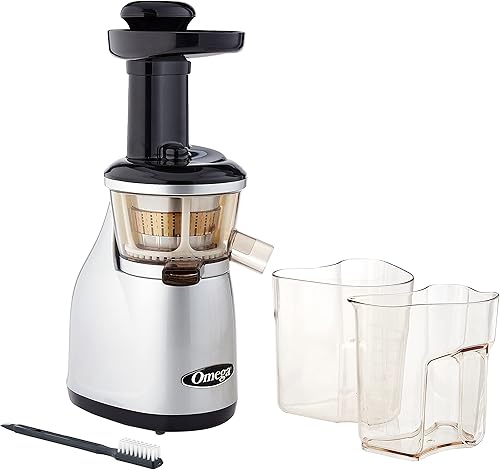
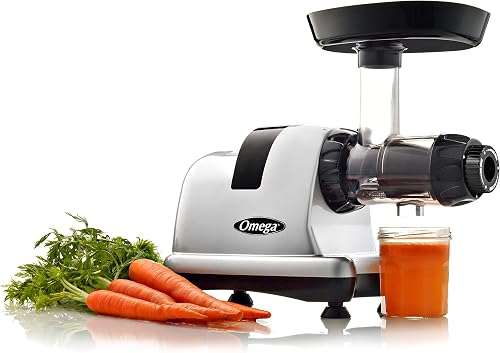
If leafy greens, wheatgrass, or fresh herbs are a regular part of your routine, a masticating juicer is worth the investment over a centrifugal model. The Omega VRT350 at around $200 with a 4.3-star rating from over 1,500 buyers and the Omega J8007S at a similar price with a 4.5-star rating from over 400 buyers are both frequently cited options for vegetable-focused juicing. If you juice primarily hard fruits and carrots and only occasionally add greens, a centrifugal machine at a lower price point may meet your needs just as well.